Old dog, confused at night: canine cognitive dysfunction explained
Pacing at 3am, staring at walls, forgetting the door they've used for years. Canine Cognitive Dysfunction is common in old dogs, frequently mistaken for ordinary ageing — and several of the things that mimic it are treatable.
Our Beloved Friends Research · July 20, 2026 · 10 min read
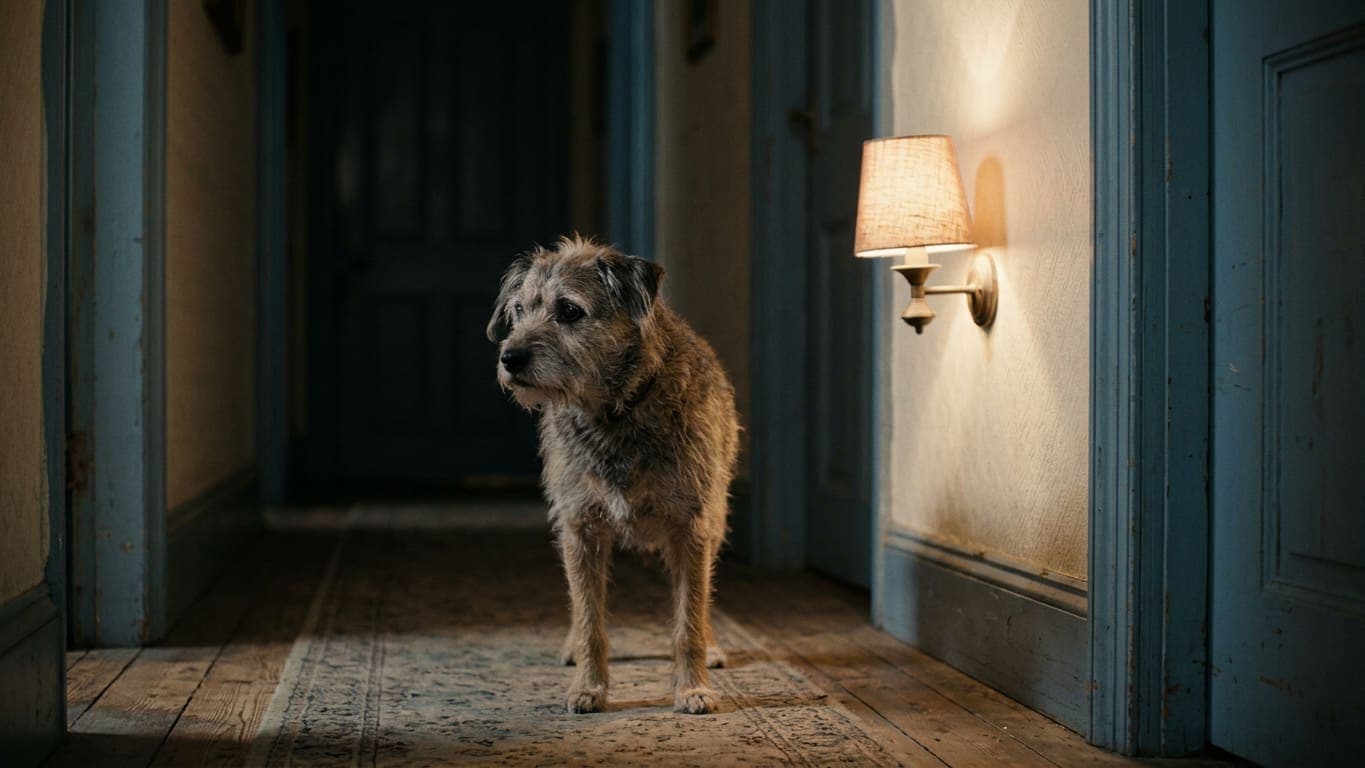
An old dog stands in the corner of the room, facing the wall, as though waiting for something. Paces the hallway at three in the morning. Gets stuck behind a chair they have walked past for a decade. Greets you at the door — then looks unsure who you are.
This is one of the loneliest experiences in dog ownership, because the dog is right there and also, somehow, not.
It has a name: Canine Cognitive Dysfunction Syndrome (CDS), sometimes called dog dementia. It becomes markedly more common with age and is significantly under-diagnosed, because the signs get written off as "just old."
Before you conclude it's dementia
Start here, because this is where a vet visit changes outcomes. Several treatable conditions look exactly like cognitive decline:
- Pain, especially arthritis — a dog that can't settle, paces, and seems restless at night may simply hurt. This is extremely common and very treatable.
- Sensory loss — a deaf or visually impaired dog appears confused and unresponsive because it cannot hear or see you, not because it has forgotten you.
- Systemic illness — kidney disease, liver problems, Cushing's, thyroid disease, and urinary tract infections all alter behaviour, sleep, and house-training.
- High blood pressure and other vascular problems.
None of those are dementia, and all of them respond to treatment. A dog with untreated arthritis being managed as a dementia case is a genuine, frequent tragedy.
What CDS looks like
Clinicians use the shorthand DISHA:
- Disorientation — getting lost in familiar places, staring, stuck in corners
- Interaction changes — less greeting, less seeking contact, sometimes new irritability
- Sleep-wake reversal — the 3am pacing, sleeping through the day
- House-soiling — losing a lifetime of training
- Activity changes — aimless wandering, repetitive circling, or apathy
Underneath, the ageing dog brain shows changes with real parallels to human Alzheimer's, including beta-amyloid accumulation, oxidative damage, and declining cellular housekeeping.
What genuinely helps
There is no cure, and there is meaningful support:
- Treat the treatable causes first. Repeating this because it matters most.
- Selegiline is licensed for canine cognitive dysfunction in many countries and helps some dogs.
- Diets and supplements aimed at brain ageing — antioxidant-enriched and medium-chain-triglyceride diets have supportive trial data in dogs, which is more than most of this category can claim.
- Environmental structure — predictable routine, night lights, keeping furniture where it is, gentle daytime enrichment to improve night-time sleep, easy toilet access.
- Your patience. A frightened, disoriented old dog needs calm reassurance, especially at 3am.
Where rapamycin sits — honestly
The claim in circulation is that by reducing neuroinflammation, rapamycin slows canine cognitive dysfunction.
There is no controlled trial of rapamycin for CDS in dogs. TRIAD includes cognitive measures among its outcomes, so this may eventually get a real answer — it does not have one now.
And there is a cautionary tale sitting right next to it. Spermidine is one of the best-characterised autophagy inducers in biology, with exactly the sort of mechanism that sounds convincing for brain ageing. When it was taken into its largest, most rigorous human cognitive trial, it did not deliver. Autophagy decline is genuinely part of the ageing-brain story; that has not yet translated into a drug that helps a demented dog.
Anyone selling you a cognitive cure for your old dog is ahead of the evidence.
What to do this week
Book the vet. Ask specifically for a pain assessment, a check of hearing and vision, and bloodwork. If those are clear and the DISHA pattern fits, discuss selegiline and a brain-ageing diet. Fix the environment for a confused animal.
Then, if you want to understand where the research actually stands, the dog evidence page lays out every claim against what has been shown, and the quiz tells you which studies apply to your dog.
Not veterinary advice. Please have an old dog with these signs examined — much of what looks like dementia is not.
References
- Landsberg G.M. et al. Cognitive dysfunction syndrome: a disease of canine and feline brain ageing. Veterinary Clinics of North America, 2012. Find on PubMed
- Pan Y. et al. Dietary supplementation with medium-chain TAG improves cognitive function in aged dogs. British Journal of Nutrition, 2010. Find on PubMed
- Schwarz C. et al. Spermidine supplementation in subjective cognitive decline (SmartAge). Find on PubMed
Compounds in this article
- Rapamycin (sirolimus)Emerging evidenceStudied for healthy aging, cardiac function, and immune resilience. A prescription drug — veterinary supervision is not optional.
- SpermidineEmerging evidenceSupports cellular renewal (autophagy).
The content on this site is for informational purposes only and is not veterinary advice. These statements have not been evaluated by a food or drug regulatory authority and are not intended to diagnose, treat, cure, or prevent any disease. Always consult a licensed veterinarian about your pet's health.