Our Beloved Friends

Search

Search articles, studies, compounds, and conditions

For cat owners

Rapamycin and cats: what is claimed, and what is shown

Cats are the under-studied half of this field. There is exactly one controlled rapamycin trial in cats, it measured tolerability rather than benefit, and almost everything else is extrapolated from dogs — a species cats do not metabolise drugs like.

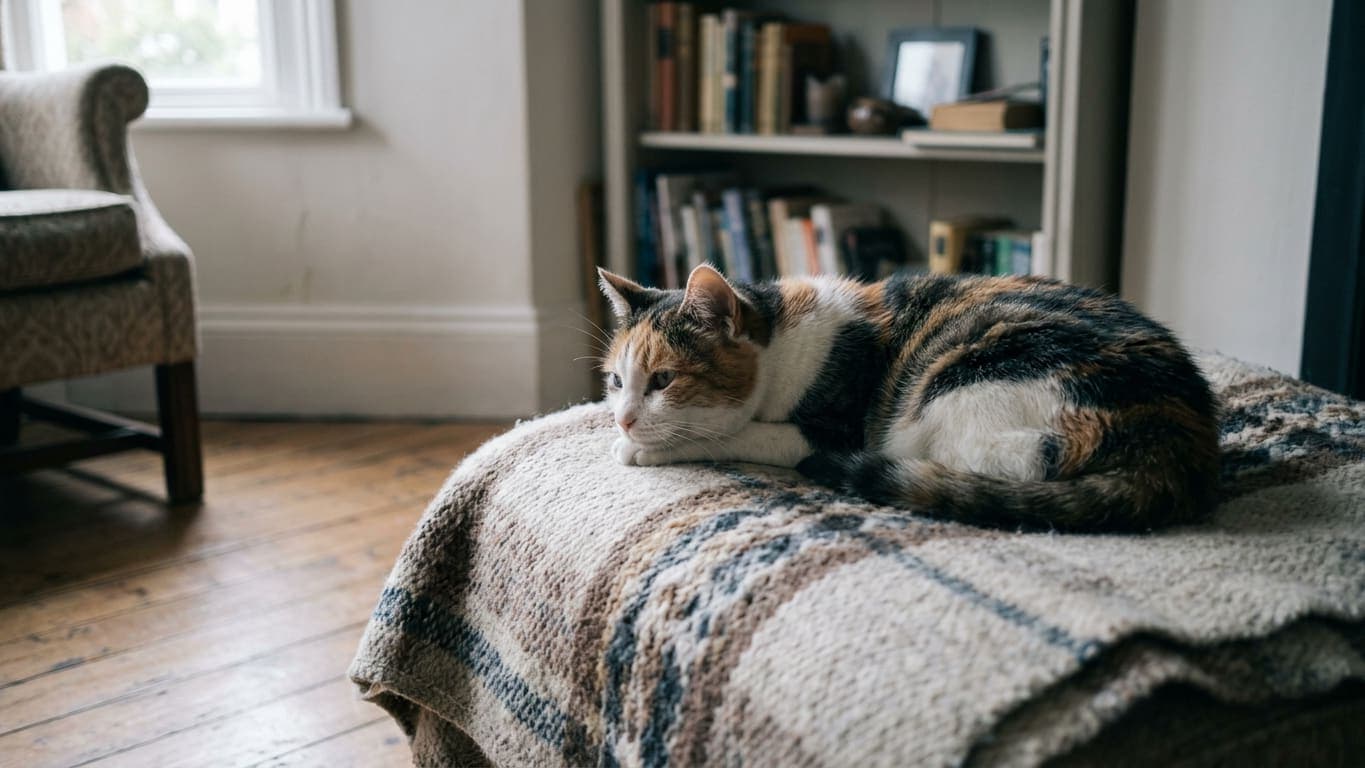
A senior calico cat resting on a folded blanket beside a living-room window

No drug has been shown to extend the lifespan of a cat.

Cats are not small dogs. Where the canine evidence is thin, the feline evidence is thinner still. Everything below separates what sellers claim from what the literature actually supports — and rapamycin is a prescription drug in every case, so none of this is a decision to make without a veterinarian.

Before anything is wrong

Starting early: the healthspan case

The strongest version of the longevity argument is preventive — beginning in middle age, while the animal is still well. Every trial in this field dosed animals at that stage.

Healthy ageing / healthspan

Early evidenceNo trial in this species

What is claimed

That low-dose rapamycin in a healthy middle-aged cat slows biological ageing and delays the diseases of old age.

What the evidence shows

There is no feline lifespan or healthspan trial. Everything here is extrapolated from mice, humans, and dogs — and cats are the species where extrapolation is most dangerous, because they metabolise drugs differently. The only controlled feline rapamycin trial was in cats with subclinical heart disease and measured tolerability, not ageing. Anyone confident about rapamycin for a healthy cat is well ahead of the evidence.

Condition by condition

If your cat already has a diagnosis

These are the specific uses rapamycin is marketed for in cats. Each claim is stated as its proponents make it, then set against the evidence — including where no trial exists at all.

Hypertrophic cardiomyopathy (HCM)

Early evidence

What is claimed

That rapamycin slows the progression of HCM, the most common and most lethal feline heart disease, or even reverses the excessive thickening of the heart muscle.

What the evidence shows

This is the most-studied feline use, and the claim still runs ahead of the data. RAPACAT — randomized, double-blind, placebo-controlled — tested delayed-release rapamycin in cats with subclinical HCM and found it tolerated at the doses studied. It was a safety and tolerability trial. It did not show that hypertrophy reversed, that progression slowed, or that cats lived longer. Work in this area is ongoing; a result is not the same as a hope.

Chronic kidney disease (CKD)

Early evidenceNo trial in this species

What is claimed

That rapamycin slows kidney fibrosis and cellular ageing in the kidney, helping preserve function in cats with CKD.

What the evidence shows

There is no controlled trial of rapamycin in feline CKD. And the nearest human evidence is a cautionary tale rather than support: mTOR inhibitors were taken into randomized trials in polycystic kidney disease on exactly this reasoning and largely failed — cyst growth moved a little, kidney function did not. What does work in feline CKD: early detection with SDMA-inclusive senior bloodwork, therapeutic renal diets, and managing blood pressure and phosphate.

Chronic inflammatory conditions (e.g. stomatitis)

Early evidenceNo trial in this species

What is claimed

That rapamycin rebalances an over-activated immune system, helping control chronic oral and gingival inflammation such as feline stomatitis.

What the evidence shows

No controlled trial supports rapamycin for feline stomatitis or other chronic inflammatory conditions. The immune argument is real — mTOR inhibition modulates immune signalling, and low doses improved immune measures in older humans — but that is a long way from treating a painful, complex oral disease in a cat. Feline stomatitis has established treatment paths; this is a conversation for a veterinary dentist, not a supplement decision.

The primary literature

Studies run in cats

1 study in this species, with sample sizes and honest evidence grades.

Rapamycin & mTOREarly evidence

Safety and tolerability of delayed-release rapamycin in cats with subclinical hypertrophic cardiomyopathy (RAPACAT)

Fries R.C. et al. · Journal of Veterinary Internal Medicine, 2023

A randomized, double-blind, placebo-controlled trial of once-weekly delayed-release rapamycin in cats. The drug was well tolerated at the doses studied; the trial was designed around safety and tolerability rather than a lifespan endpoint.

Species
Cats
Design
Randomized controlled trial
Sample
Client-owned cats with subclinical HCM

Not sure what applies to your cat?

Message us on WhatsApp and one of our veterinarians will help you work out whether any of this is relevant to your animal — and say so plainly when it isn't.

Ask on WhatsApp

A conversation, not a prescription. Anything for your pet still goes through a veterinarian who has examined them.

The content on this site is for informational purposes only and is not veterinary advice. These statements have not been evaluated by a food or drug regulatory authority and are not intended to diagnose, treat, cure, or prevent any disease. Always consult a licensed veterinarian about your pet's health.